
The Southern Jutland Coffee Table – a tradition born in Southern Jutland
Experience the historic Southern Jutland tradition featuring 7 soft, 7 hard, and 7 dry cakes. Discover the story behind the Sønderjysk kaffebord, where to find it, and our best tips for a sweet cake experience.
Oplev den unikke sønderjyske kagetradition med op til 21 forskellige kager. En historisk og smagfuld oplevelse, der byder på alt fra sprøde småkager til overdådige flødekager.
Højdepunkt
21 slags kager (7 tørre, 7 bløde og 7 hårde)
Sæson
Hele året, men mest udbredt i sommerhalvåret
Historie
Stammer fra 1800-tallet under det preussiske styre
Steder
Bl.a. i Højer, Skærbæk, Ballum og Schackenborg
In Southern Jutland, you can experience the historic tradition known as Sønderjysk kaffebord — a lavish food experience with every kind of cake imaginable, born from the twists and turns of history.
☕ Tradition and history
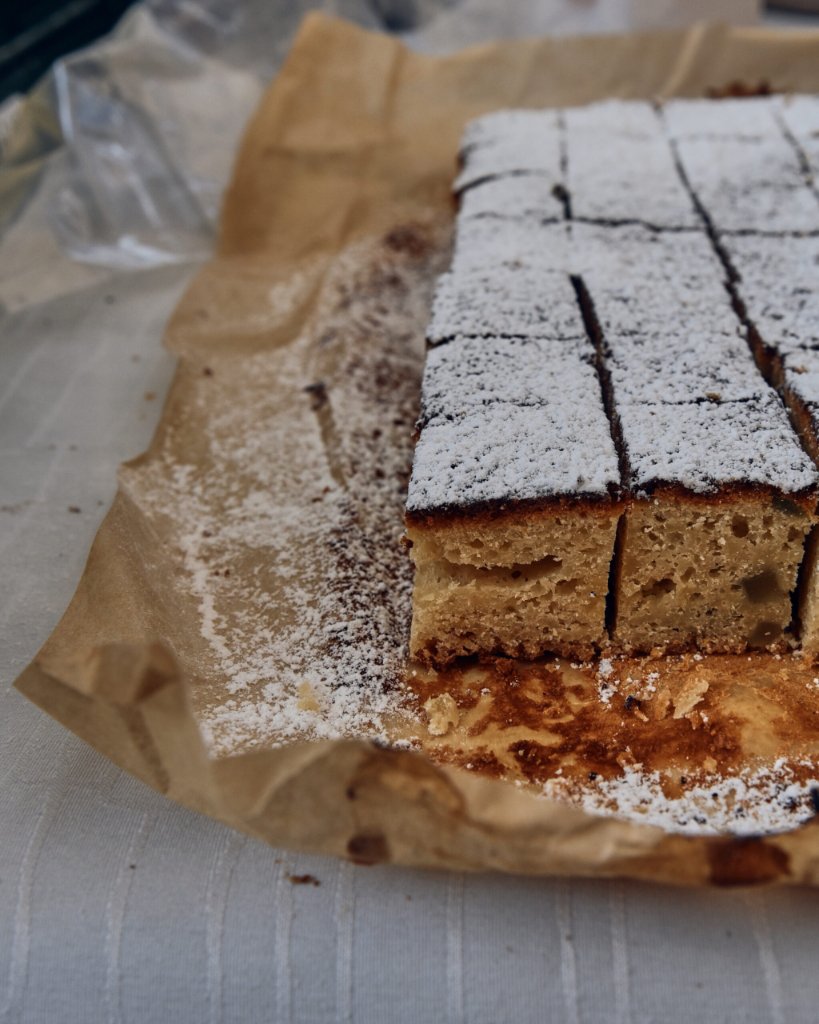
The Sønderjysk kaffebord is a tradition dating back to the 1800s, when Southern Jutland was under Prussian rule. Back then, the German authorities would not grant liquor licenses to the local assembly halls and inns — but coffee and baking ingredients were cheap and easy to come by, and so Southern Jutland cake baking became a new discipline.
At the same time, it was forbidden to hold meetings for those with Danish sympathies — but it was not forbidden to hold events with coffee and cake. Slowly but surely, the Sønderjysk kaffebord became a loophole, where the locals could meet legally.
🎂 A tradition is created
Today, the Sønderjysk kaffebord is no longer a substitute for beer and spirits or an excuse to meet with like-minded people. The Southern Jutland cake tradition has become a true culinary experience, which can be enjoyed at select locations in the region.
Where can you experience it?
- Hohenwarte in Højer
- Marsk Camp Restaurant, Skærbæk (irregular schedule)
- Klægager, Ballum (irregular schedule)
- Café Herskabsstalden, Schackenborg (irregular schedule)
🍰 The modern Southern Jutland coffee table
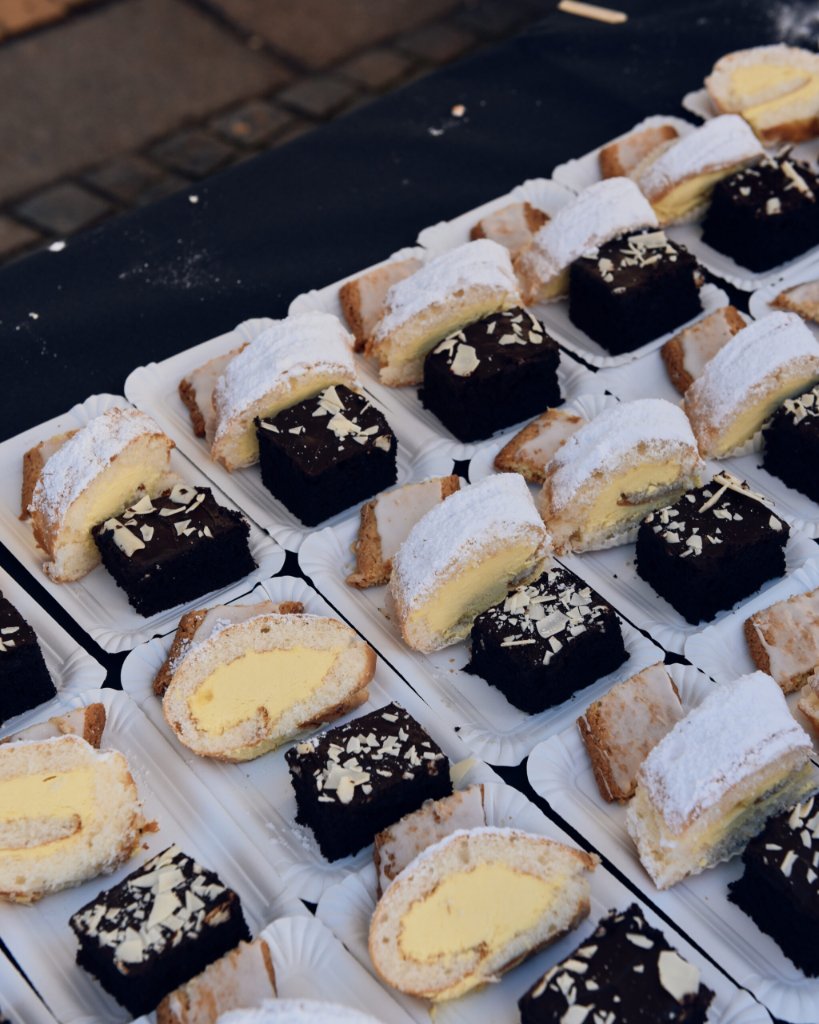
The original number of cakes, as described in the traditional story, offers you 21 different cakes — based on the classic principle:
21 cakes on the table
The basic idea is that you must taste dry, soft, and hard cakes — in the correct order.
Although tradition calls for 21 cakes, many dining establishments today have reduced the quantity. At most places, you will be served 14 cakes, as very few can find room for 21 in just one afternoon. However, there are also places that have chosen to increase the number — where you can experience a lavish buffet of up to 29 cakes.
💡 Our best tips for a great experience
Eat well the day before so you have plenty of room. We recommend a light breakfast — because we are certain that space will be at a premium once you have made your way through the first cakes.
The order in which you eat them also matters. Often, the host will describe what is being served and how you should approach them:
The stop cakes
First, you are offered the dry cakes — they act as a good foundation in the stomach, so you do not eat too much of the ones to come.
The soft ones
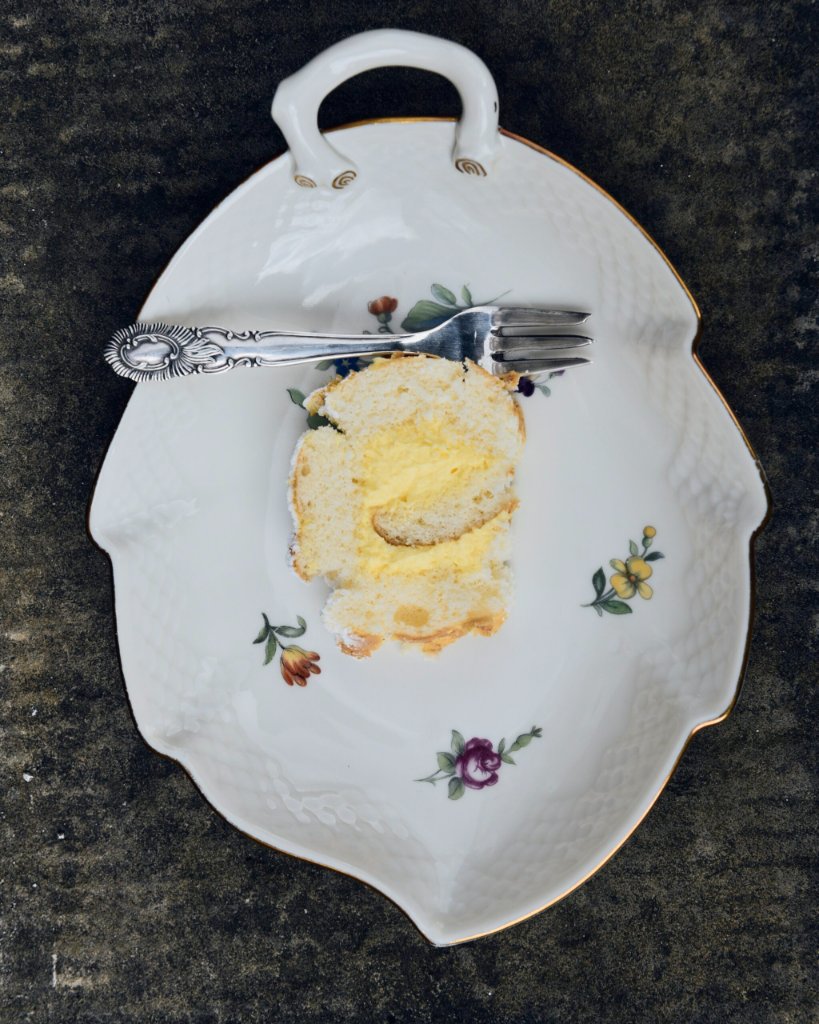
Next, move on to the soft ones — the term for cakes with whipped cream.
The hard ones
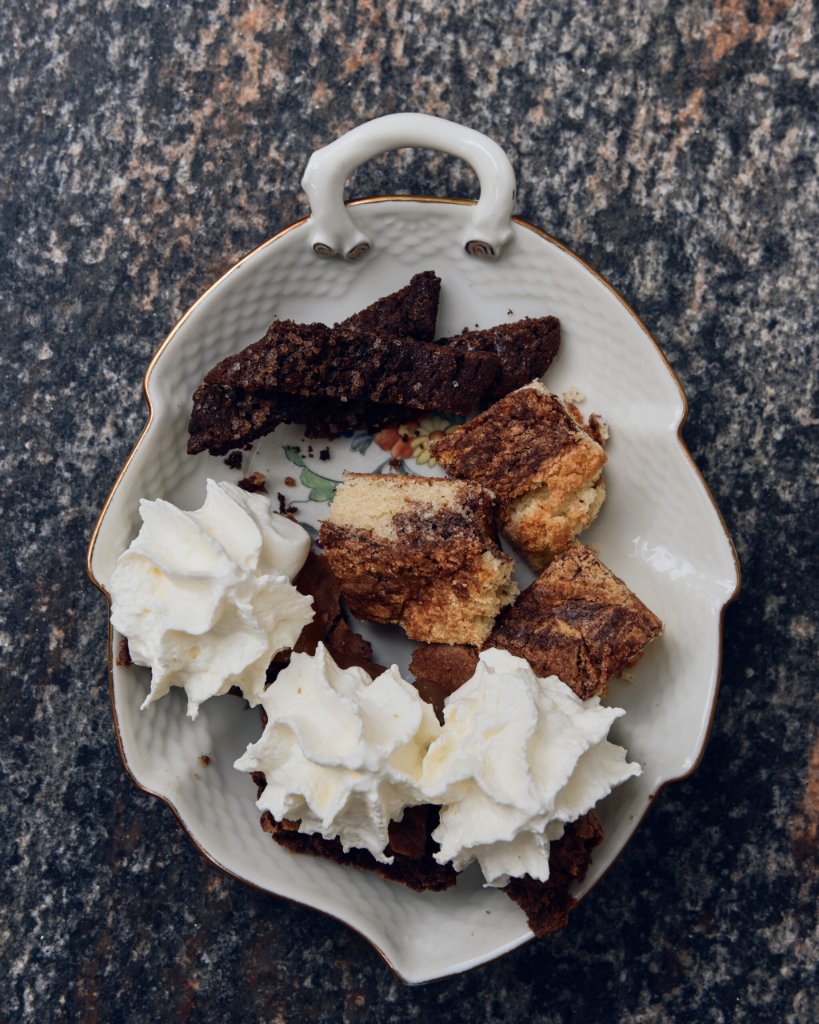
Finally, the hard cakes await — often biscuits, and therefore a smaller treat.
Most people enjoy coffee with their cakes. If you do not care for coffee, tea or water is a good alternative. Soda can often fill up the stomach more, meaning you can manage less cake.
❓ Good to know
When?
The kaffebord can be experienced all year round, but is most common during the summer season. Events are not held every day — so plan and book a table well in advance.
How many cakes?
Tradition dictates 21 cakes — 7 dry, 7 soft, and 7 hard. Depending on the venue, the selection can vary from 12 to 30+ cakes.
Sønderjysk kaffebord is more than just cake — it is a piece of living history, community, and Southern Jutland hospitality served on a single table. Remember to book your table, and come hungry! 🍰
Visit Rømø og Tønder


